
How to eat around your cycle as a female athlete (without changing your training)

By Chanise Konstantinidis, Sports Dietitian (APD)
· 4 min read
Why you want to read to the end
Your cycle shouldn't decide when you get to train well. Let's put you back in the driver's seat. This one's for you if:
- You feel flat, tired and hungry in the week before your period.
- You keep running low on iron.
- You're confused by all the 'train with your cycle' advice online.
By the end you'll know how to spot your own patterns and the 3 simple food changes I use with my female athletes, so you can feel great at any time of the month. Let's go, ladies!
Video chapters
- 0:00How your cycle affects training
- 0:47The problem with training to your cycle
- 1:08You can't control when comp lands
- 1:45What's happening in your body
- 2:25Tip 1. Track your cycle
- 2:55Tip 2. Adjust your carbs
- 3:43Tip 3. Get enough iron
- 4:37Mistake 1. Ignoring your own data
- 5:05Mistake 2. Cutting carbs
- 5:34Mistake 3. Iron without a blood test
Key takeaways
- The numbers: about 18 mg of iron a day, and extra carbs in the week before your period, when your metabolic rate can rise by about 5 to 10%.
- You don't need to cut training on certain weeks. Learn your own patterns first.
- Track your cycle and symptoms for a few months with an app like Flo or Clue.
- Test before taking iron supplements, and take them with vitamin C, away from coffee and calcium.
Should female athletes train with their cycle?
Social media is full of advice to train with your cycle, pulling back intensity or skipping sessions on certain weeks and only pushing hard on others. The problem is it makes you change your program instead of listening to your body.
As an athlete, you can't choose when competition falls. Follow that advice and your performance will keep suffering whenever comp lines up with the wrong week. And in a team sport, your teammates aren't on your cycle. So instead, I teach my athletes to understand their own patterns and fuel for them.
How does your menstrual cycle affect your energy?
Hormone changes across your cycle can shift how your body uses fuel. In some phases you may lean more on carbohydrate, and in others you can tap into fat more easily. In the week before your period, your body temperature rises, which can lift your metabolic rate by about 5 to 10% and increase how much carbohydrate you burn.
Your monthly blood loss also raises your iron needs, which matters because iron builds the haemoglobin that carries oxygen to your muscles.
What should female athletes eat around their cycle?
1. Track your cycle. Use an app like Flo or Clue to log when your period starts, how long it lasts and your symptoms. Over a few months you'll see your patterns. Maybe your energy is high for 3 weeks and dips in the week before your period.
2. Adjust your carbs, not your training. If you notice you're more tired in the week before your period, add more carbohydrate before you change any sessions. It refills your glycogen and helps with the cravings so many women get at this time. Not sure how many carbs you need? See how many carbs athletes need.
“Instead of changing your training sessions first, start by increasing your carbohydrates to see if it provides you with the energy you need to continue pushing through.”
3. Get enough iron. Aim for about 18 mg a day from lean red meat, spinach and legumes. Plant-based? Choose iron-fortified foods and talk to your doctor or dietitian about whether you need a supplement.
Want help reading your own patterns and planning your food around them? That's exactly what we do in a free nutrition review.
What mistakes do female athletes make with their cycle?
- Following generic cycle advice instead of your own data. You might be one of the many women who don't need to change much at all. I've seen athletes cut intensity they didn't need to and hold back their progress.
- Cutting carbs all month. Low carb diets are trendy, but training hard through hormone changes on low carbs leaves you depleted, especially around your period.
- Taking iron without a blood test. Supplementing just because you have a period can be a problem if your levels are already fine, as too much iron can be harmful. Get tested first.
Tired of guessing? Book a free call and we'll build a plan that keeps you feeling strong all month.
Frequently asked questions
Should I change my training based on my menstrual cycle?
Not automatically. Track your cycle and symptoms for a few months first. Many athletes only need to adjust their food, like adding carbs in the week before their period, rather than their training.
Why am I so tired before my period?
Your body temperature rises in the week before your period, which can increase your metabolic rate by about 5 to 10% and how much carbohydrate you burn. Adding more carbs can help.
How much iron do female athletes need?
About 18 mg a day for women aged 19 to 50, from foods like lean red meat, spinach and legumes. Athletes may need more, so get your levels tested.
Should female athletes take iron supplements?
Only if a blood test shows you need them. Too much iron can be harmful. If you do take them, pair with vitamin C and avoid coffee, tea and calcium at the same time.
What's the best app to track my cycle?
Any app you'll use consistently. Flo and Clue are popular. Log your period, its length and your symptoms to spot your patterns.
Sources
- Elliott-Sale KJ, Minahan CL, de Jonge XAKJ et al. (2021). Methodological considerations for studies in sport and exercise science with women as participants. Sports Medicine, 51(5), 843 to 861. Link
- McNulty KL, Elliott-Sale KJ, Dolan E et al. (2020). The effects of menstrual cycle phase on exercise performance in eumenorrheic women: a systematic review and meta-analysis. Sports Medicine, 50(10), 1813 to 1827. Link
- Sim M, Garvican-Lewis LA, Cox GR et al. (2019). Iron considerations for the athlete: a narrative review. European Journal of Applied Physiology, 119(7), 1463 to 1478. Link
- NHMRC. Nutrient Reference Values for Australia and New Zealand: iron. Link
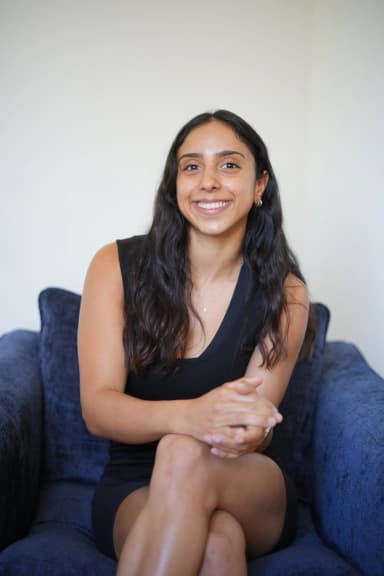
Written by
Chanise Konstantinidis
Sports Dietitian (APD, MDiet, BNutSc), founder of The Athlete's Dietitian
Chanise is an Accredited Practising Dietitian who works with athletes across Australia, and trains Olympic weightlifting herself. She has supported elite level athletes at the Olympic and Commonwealth Games with their nutrition.
This article is general information, not individual medical or dietary advice. Speak with an Accredited Practising Dietitian or your doctor before changing your diet, especially if you have a medical condition.
Keep reading

Carbs
Why carbs won't make you fat, and exactly how many you need as an athlete
Why carbs are an athlete's most important fuel, how many you need on low, moderate and high training days, and when to eat them around your sessions.

Under-fuelling
5 signs you're not eating enough for your training (and how to fix it)
The signs you're not eating enough for your training, what RED-S does to your hormones, bones, gut and performance, and my step by step plan to refuel.